
A Patient’s Guide to the Dental Implant Treatment Process
Source:
Dr. Marketing
A missing tooth may look like an empty space, but the visible gap is only part of what has changed. Beneath the gumline, a tooth once had a root connected to the jawbone. Above it, the crown helped you bite, chew, speak, and maintain the alignment of surrounding teeth.
When that tooth is lost, the appearance of the smile, the function of the bite, and the support beneath the gums can all be affected.
This is what makes dental implants different from simply placing another tooth in the gap. An implant is designed to rebuild a missing tooth from the foundation upward.
The Important Part of a Missing Tooth Is Hidden
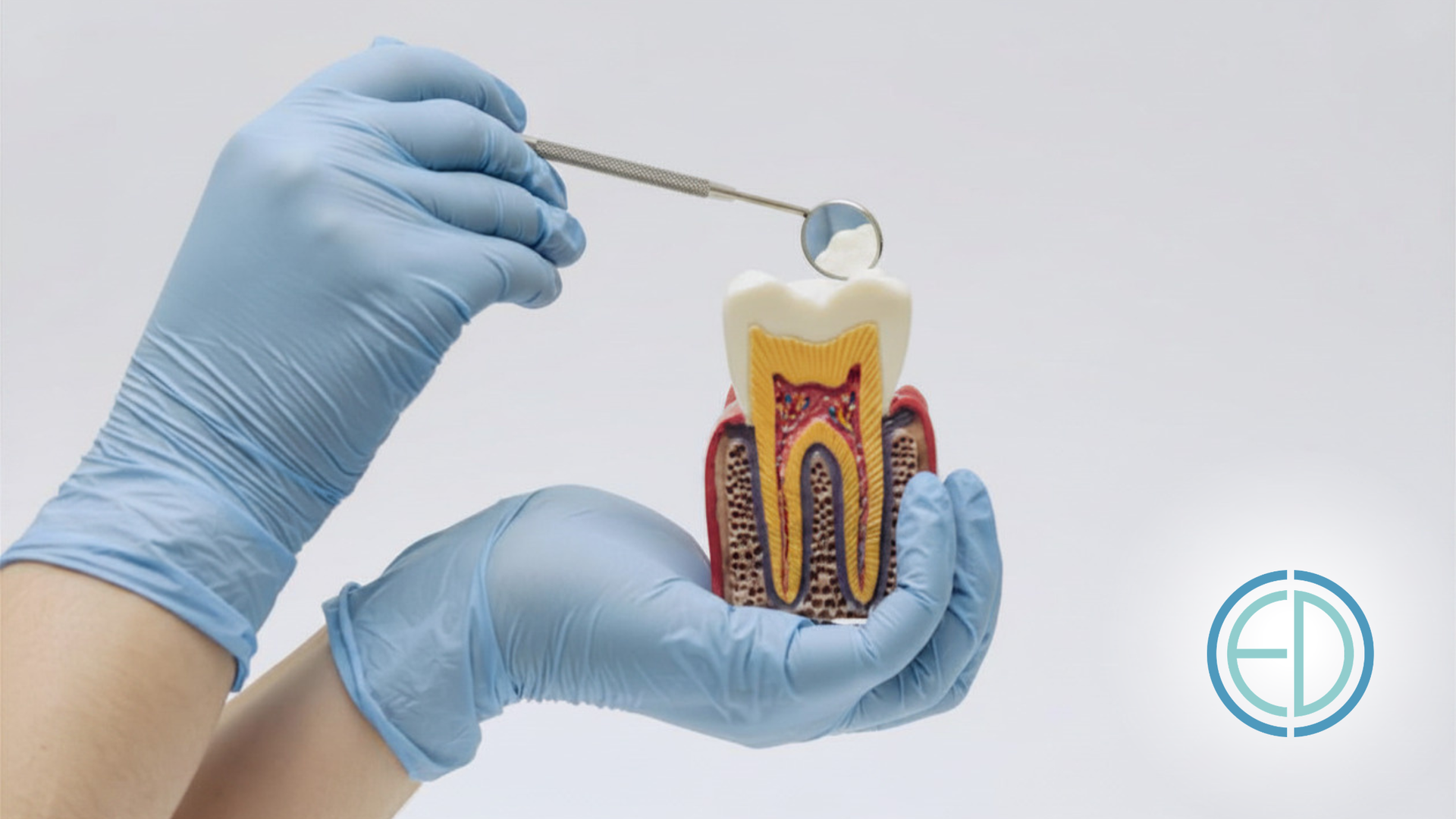
Most people think first about the crown, the portion of a tooth visible when they smile. When a tooth is removed, however, the root disappears too.
A natural root sits inside the jawbone and transfers pressure into the bone during biting and chewing. After tooth loss, the area no longer receives the same stimulation. The bone around the empty space may gradually change, while nearby teeth can begin moving toward the gap.
A dental implant approaches the problem from below the gumline. Instead of replacing only what is visible, it creates support inside the jaw for a new crown, bridge, or denture.
If you have recently lost a tooth or have lived with a gap for several years, book an appointment with our team at East Ottawa Dental in Ottawa to learn what may be happening beneath the surface.
The Implant Is Not the Tooth You See
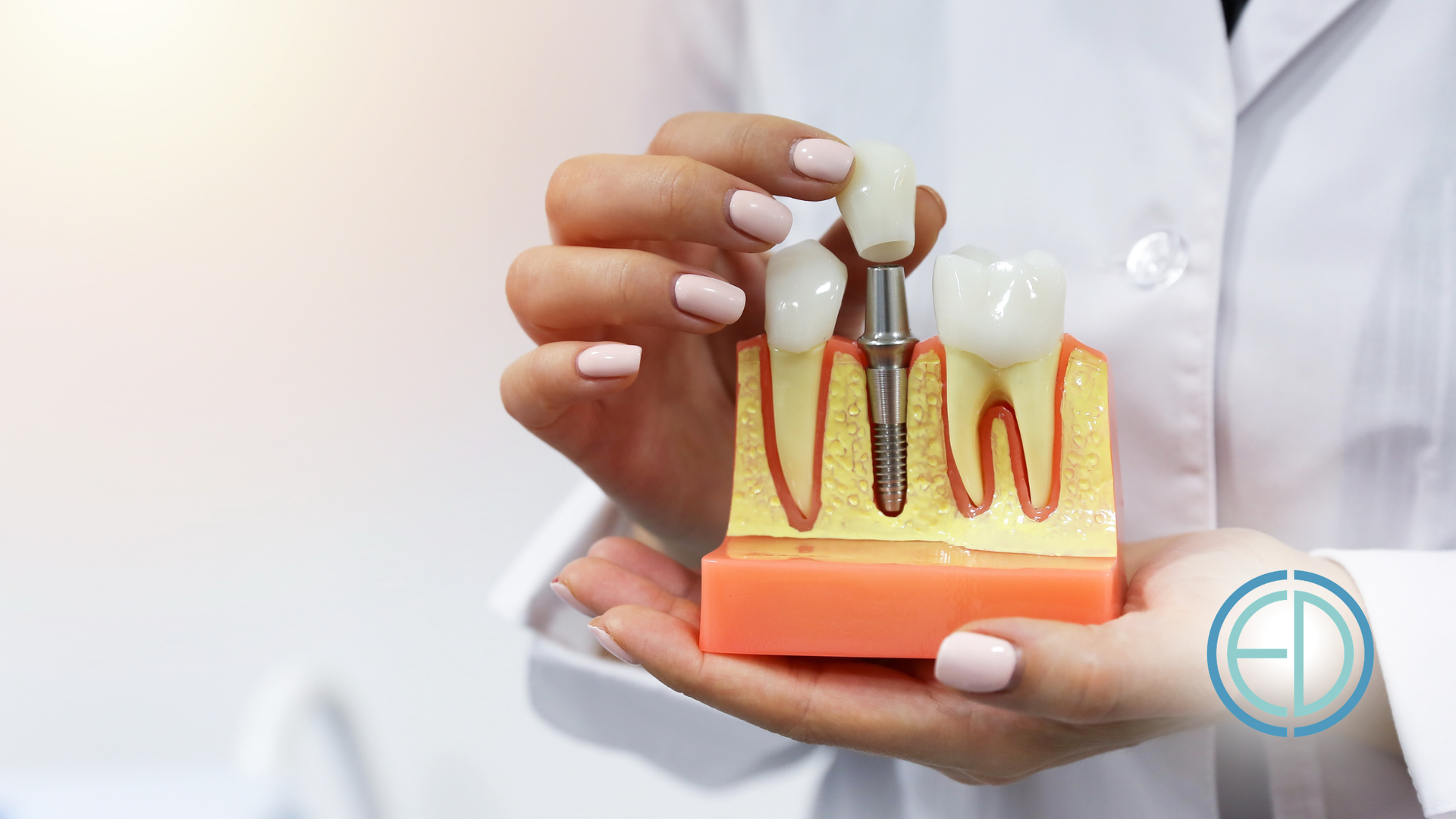
One of the most useful dental implant basics is also one of the most misunderstood: the implant is not the visible replacement tooth. A complete implant-supported tooth usually has three parts:
- The implant post is positioned in the jawbone and functions as an artificial root.
- The abutment connects the implant to the restoration above it.
- The crown is the customized tooth visible in the smile.
Each component performs a different job. The implant creates stability, the abutment forms the connection, and the crown restores appearance and chewing function.
The implant often needs time to become stable before it can support the final crown. Dental implant treatment is therefore a sequence rather than one isolated procedure.
The Waiting Period Is When the Foundation Develops
It may seem as though little is happening during the healing period, but this stage is central to the process.
After placement, the surrounding bone gradually attaches to the implant surface. This process, called osseointegration, creates the stability needed to support biting and chewing.
According to the American Dental Association, osseointegration means the implant combines with the bone and may take several months. Timing varies with the implant location, available bone, gum and general health, tobacco use, and grafting needs.
Some patients receive a temporary tooth while the area heals. A visible restoration does not mean biological healing is complete. The implant still needs time to integrate with the jawbone.
One Implant Does Not Always Equal One Replacement Tooth

Dental implants can be used in several ways. A single implant may support one crown. When several neighbouring teeth are absent, two or more implants may support a bridge. A planned number of implants can also support a fixed or removable full-arch restoration.
An implant is not always required for every missing tooth. The number and position depend on the available bone, missing-tooth location, bite forces, and final restoration. Planning begins with where the replacement teeth need to sit before determining where their supporting implants should be positioned.
Candidacy Depends on More Than Age
Age alone rarely determines implant candidacy. Oral health, general health, healing ability, and jawbone support usually matter more.
Dental implant candidacy may depend on:
- Healthy or manageable gums
- Sufficient jawbone for support
- Medical conditions and medications
- Tobacco or nicotine use
- Daily oral hygiene
- Teeth grinding or heavy bite forces
- Willingness to attend follow-up visits
An older adult with healthy gums and stable bone may be a more appropriate candidate than a younger person with uncontrolled gum disease. Medical conditions do not always prevent treatment, but they may change the plan or healing timeline.
Schedule a dental implant consultation with our team at East Ottawa Dental in Ottawa to find out how your bone, gums, bite, and health history may influence treatment.
A Bone Graft Is Preparation, Not a Setback
An implant needs adequate bone for support. After tooth loss, the ridge may change in width or height. Gum disease, infection, or trauma can also affect bone volume.
A bone graft adds material where support is needed and provides a framework for bone development. It may be completed during implant placement or as a separate procedure. Needing a graft does not mean treatment has failed. It means the foundation requires preparation.
An Implant Cannot Get a Cavity, but It Still Needs Care
The implant and crown cannot develop tooth decay because they are not made from natural enamel. However, plaque can still collect around the implant crown and gumline.
If plaque remains, the surrounding tissue may become inflamed. In more advanced cases, infection can affect the bone supporting the implant. Brushing, cleaning between the teeth, and attending professional visits remain essential.
Depending on the restoration, special floss, interdental brushes, or a water flosser may be recommended. Routine appointments allow our team to examine the gums, supporting bone, implant restoration, bite, and areas where plaque may be collecting.
If you already have an implant, book your maintenance appointment with our team at East Ottawa Dental in Ottawa to have the restoration and surrounding tissues evaluated.
The Consultation Should Look Beyond the Empty Space

A thorough dental implant consultation should look beyond whether a post can fit in the space. It should determine whether the bone and gums are ready, whether grafting is needed, how many stages to expect, and what can be used as a temporary tooth.
It should also explain the final restoration, how it will fit the bite, which factors could affect healing, and how the finished implant should be cleaned. The goal is to create a replacement that functions within the bite and can be maintained over time.
Rebuilding a Tooth From the Inside Out
Dental implants are often described as replacement teeth, but that description misses what makes them distinctive. They begin with the support beneath the visible smile.
The implant rebuilds the root-level foundation. The abutment creates the connection. The crown, bridge, or denture restores the visible and functional portion. Bone health, gum health, careful planning, healing, and maintenance connect every stage.
That is the dental implant's basic worth remembering: treatment is not simply about filling a gap. It is about rebuilding the system that once occupied it.
If you are exploring dental implants for one tooth, several teeth, or a complete arch, book a consultation with our team at East Ottawa Dental in Ottawa today. We can examine the supporting bone and gums, explain each stage clearly, and help you understand whether dental implants fit your needs.