Dental Crowns: Protecting and Restoring Teeth

Source: Dr. Marketing
Most people hear the words “you need a crown” and immediately think something serious has happened. The truth is, a dental crown is not a last resort. It is often a proactive way to preserve a tooth that still has years of life left.
Teeth are incredibly strong, but they are not immune to damage. Over time, large fillings, cracks, grinding, and decay can weaken their structure. When a tooth loses enough natural support, simply patching it is no longer enough. That is when a crown becomes less about repair and more about protection.
At East Ottawa Dental in Ottawa, we often explain that a crown is not just covering a tooth. It is rebuilding it.
What a Dental Crown Actually Does

A dental crown is a custom restoration that fits over a prepared tooth, restoring its shape, strength, and function. But more importantly, it redistributes biting forces so the weakened tooth underneath does not fracture further.
Think of it as reinforcing a compromised structure. Once cemented in place, a crown allows the tooth to function normally again without the constant risk of cracking under pressure.
Modern crowns are crafted from durable materials like porcelain or zirconia, designed to blend seamlessly with natural teeth. In many cases, no one can tell a crown is even there.
At East Ottawa Dental in Ottawa, careful planning ensures the crown supports both function and appearance, not just one or the other.
When a Filling Is No Longer Enough

One of the most common reasons a crown is needed is when a filling becomes too large. Every time decay is removed, some natural structure is lost. If more than half of the tooth is restored with filling material, the remaining walls become thin and fragile.
This is when fractures begin to happen.
You may notice discomfort when chewing, small pieces breaking off, or increasing sensitivity. These are early warning signs that the tooth no longer has the strength to support daily pressure.
A crown stabilizes the entire tooth, preventing minor cracks from becoming major breaks.
If you have an older, large filling that feels unstable, it may be time to have it evaluated before a fracture occurs.
Why Crowns Are Common After Root Canal Treatment

Root canal therapy removes infected pulp from inside a tooth, relieving pain and stopping infection. However, once that internal tissue is removed, the tooth loses its natural vitality. Over time, it becomes more brittle.
Without reinforcement, root canal-treated teeth are more prone to splitting.
Placing a crown protects the remaining structure and dramatically improves long-term survival. In many cases, the crown is what ensures the tooth remains functional for years rather than months.
At East Ottawa Dental in Ottawa, we emphasize that the goal is not just eliminating infection. It is preserving the tooth predictably.
Cracks: The Silent Reason Crowns Are Needed
Not all tooth damage is visible.
Hairline cracks can develop from grinding, clenching, trauma, or even chewing hard foods. These cracks may cause intermittent pain that is difficult to pinpoint. The tooth may feel fine one day and sensitive the next.
When a crack extends deep enough, bacteria can enter and create inflammation. Left untreated, that crack can widen and eventually split the tooth.
A crown holds the structure together, preventing the crack from progressing. In many cases, early crown placement saves a tooth that would otherwise require extraction later.
Crowns and Cosmetic Improvements
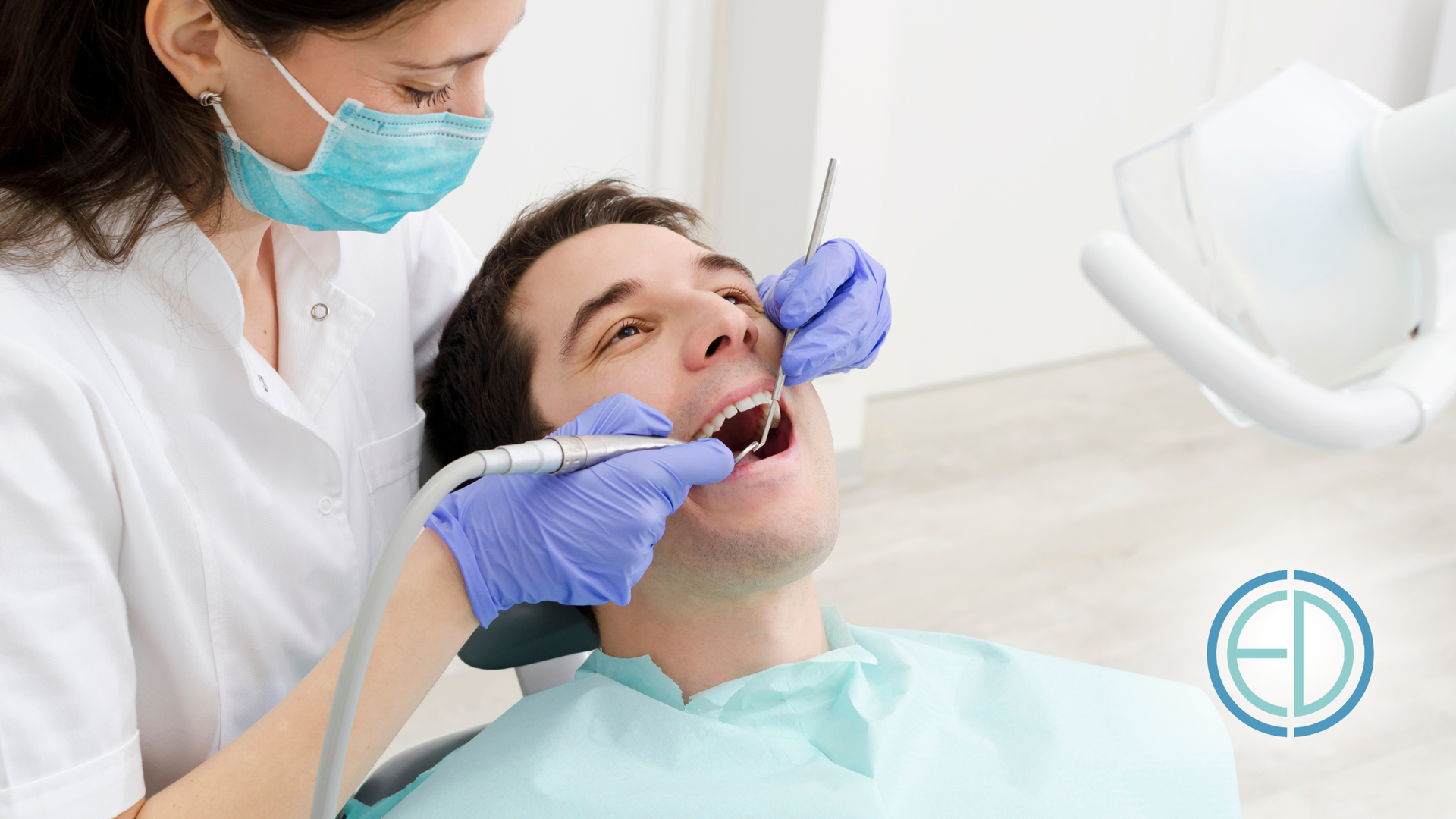
While crowns are often restorative, they can also improve appearance when a tooth is severely discolored, misshapen, or worn down.
In these cases, the crown does more than strengthen the tooth. It restores balance to the smile. Shape, contour, and color are carefully matched so the restoration looks natural rather than artificial.
At East Ottawa Dental, treatment planning considers facial symmetry, bite alignment, and long-term wear patterns to ensure the crown feels as good as it looks.
How Long Do Crowns Last?
With proper care, dental crowns can last well over a decade. Their longevity depends on oral hygiene, bite forces, and habits such as grinding. Brushing, flossing, and regular professional checkups remain essential. Crowns do not decay, but the natural tooth underneath still can. Protecting the margins of the crown is key to long-term success.
If you grind your teeth at night, a protective guard may be recommended to extend the lifespan of both the crown and your natural teeth.
Why Timing Matters

One of the biggest misconceptions about crowns is that they can wait.
In reality, delaying treatment often leads to further breakdown. A tooth that could have been stabilized with a crown may eventually fracture below the gumline, making extraction unavoidable.
Early reinforcement preserves structure. Waiting risks losing it.
If you are experiencing pain when chewing, have a cracked tooth, or were told you may need a crown, scheduling an evaluation with our team allows you to understand your options before the situation worsens.
Preserving What You Already Have

The purpose of modern dentistry is preservation. A crown is not about replacing a tooth. It is about saving it.
When recommended at the right time, a dental crown restores strength, protects against fracture, and allows you to continue chewing comfortably without fear of further damage.
At East Ottawa Dental in Ottawa, we focus on conservative, evidence-based care that protects natural teeth whenever possible. If you are unsure whether your tooth requires a crown or another solution, a comprehensive evaluation can provide clarity and a personalized plan.
The earlier a weakened tooth is reinforced, the more predictable the outcome becomes.